
The RTX 5060 in 2026: Balancing Blackwell Brilliance with Market Turmoil
The NVIDIA GeForce RTX 5060 arrived in May 2025 as the mainstream champion of the Blackwell (50-series) architecture. Designed to bring high-end features like DLSS 4 and GDDR7 memory to the masses, it has become a staple for 1080p and 1440p gaming.

However, as we move through 2026, the card finds itself at the center of a "memory crisis" that is reshaping the GPU landscape.
1. Technical Specifications: The Blackwell Jump
The RTX 5060 moved the needle forward by being the first 60-class card to utilize GDDR7 memory, offering significantly higher bandwidth than its predecessor.
| Feature | Specification |
| GPU Architecture | Blackwell (GB206) |
| CUDA Cores | 3,840 |
| Memory | 8GB GDDR7 |
| Memory Bandwidth | 448 GB/s |
| TDP | 145W - 150W |
| Key AI Tech | DLSS 4 (Multi-Frame Generation) |
2. Performance: Gaming and Creation
While the raw rasterization improvement over the RTX 4060 is a modest 21% to 26%, the real value lies in DLSS 4.
- 1080p Ultra: The card easily clears 100+ FPS in modern titles like Black Myth: Wukong and Cyberpunk 2077 using Frame Generation.
- 1440p Performance: With DLSS Super Resolution set to "Quality," the RTX 5060 maintains a steady 60 FPS, though its 8GB VRAM has become a bottleneck in 2026 for games with unoptimized ultra-textures.
- Creative Tasks: The inclusion of 5th Gen Tensor cores makes it a budget powerhouse for local AI tasks, such as running DeepSeek-V4-Distill or stable diffusion models.
3. The 2026 Supply Crisis: Why 5060s are Vanishing
The most significant news in early 2026 is the global GDDR7 shortage. Recent reports from board partners like ASUS and Gigabyte suggest that NVIDIA has been forced to cut production of the RTX 5060 and 5060 Ti by up to 20% to 40%.
 Web Desk - USA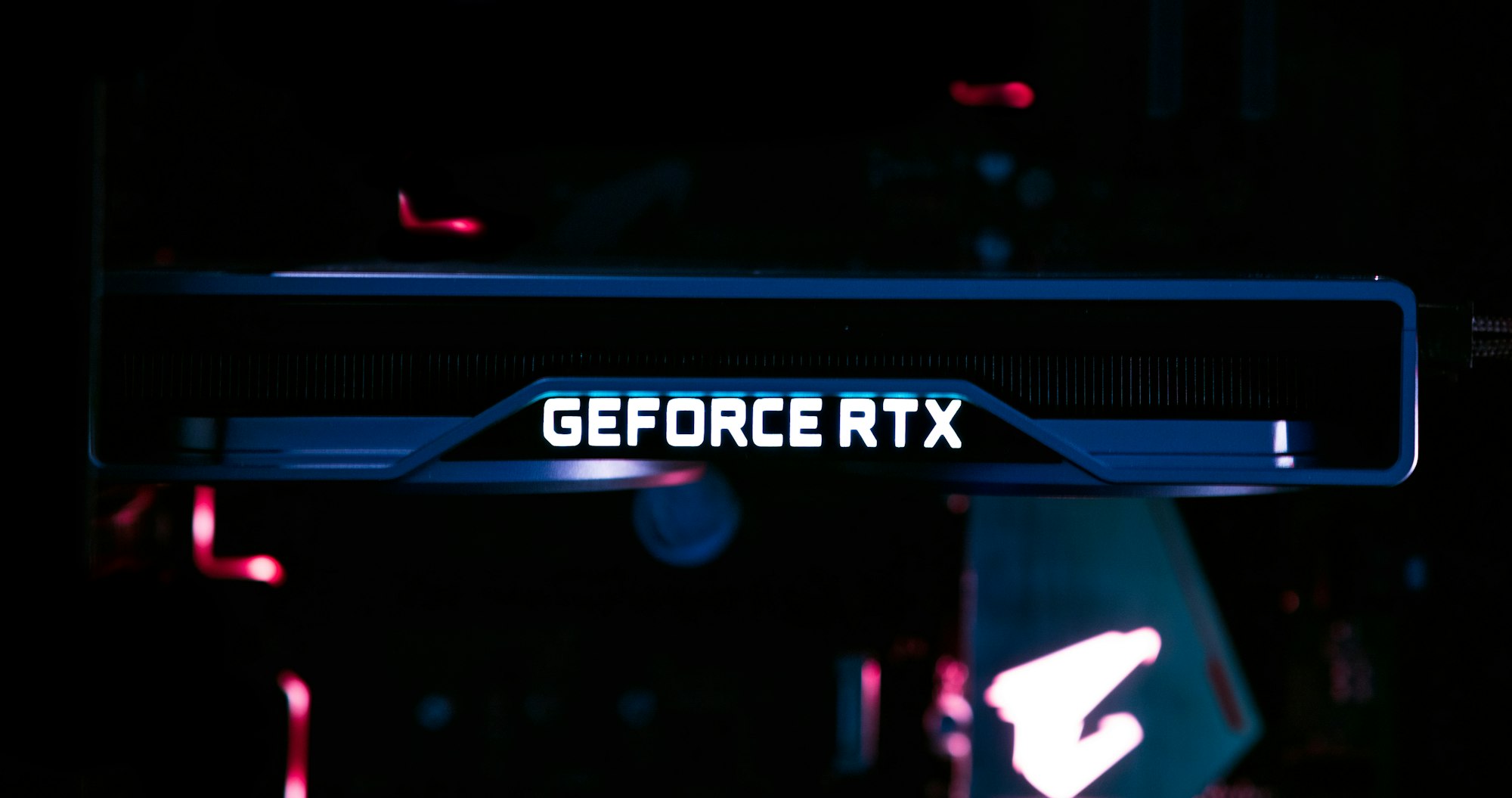
Note: Rumors suggest NVIDIA is prioritizing high-margin "Super" variants or diverting chips to the lucrative AI enterprise market, leaving the mainstream gaming segment in a state of "scarcity marketing."
4. 4K Gaming: Can a 60-Class Card Do It?
Traditionally, the 60-series is not a 4K card. However, with the maturity of DLSS 4.5 and Path Tracing optimizations, the RTX 5060 can achieve playable 4K (30–45 FPS) in specific titles, provided you are willing to use "Ultra Performance" upscaling modes.
Conclusion: Should You Buy One Now?
In 2026, the RTX 5060 is a "safe" bet for 1080p gamers, but the 8GB VRAM is increasingly a point of contention. If you can find a card at its $299 MSRP despite the production cuts, it offers the best performance-per-watt in its class. However, for those looking at 1440p long-term, the 16GB version of the 5060 Ti (if available) is the more resilient choice.
Would you like me to create a direct comparison table between the RTX 5060 and its closest AMD rival, the RX 9060 XT?

