
Tax Injustice in Pakistan: Nayatel CEO Wahaj Siraj Speaks Out for the Salaried Class
In a country where economic burdens are unevenly distributed, the salaried class in Pakistan continues to bear the brunt of excessive taxation. The situation has become dire, with the government imposing multiple taxes on individuals whose incomes are already tightly squeezed.
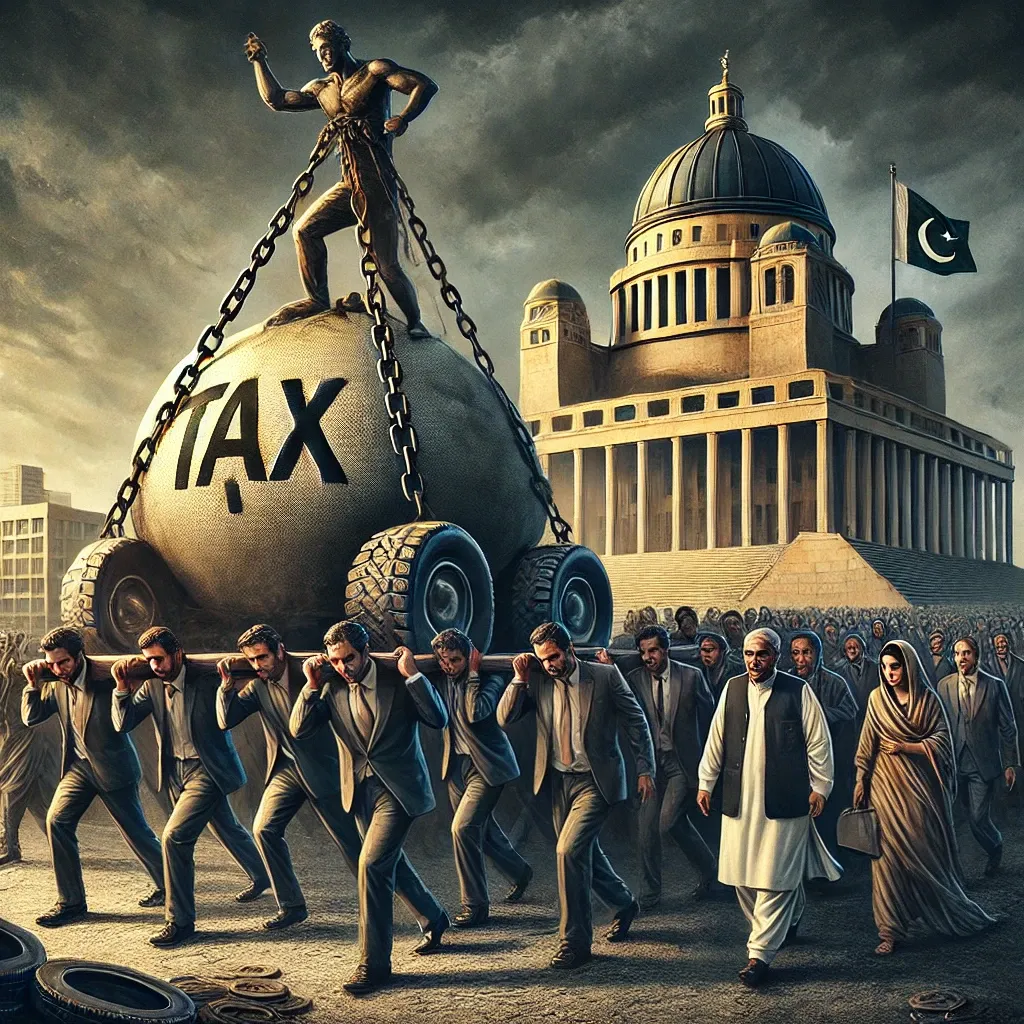
This has led to growing frustration and a sense of gross injustice among those who contribute the most to the country's tax revenue.
Wahaj Siraj, CEO of Nayatel, a leading telecommunications company in Pakistan, has taken a bold stand against this unfair tax burden on the salaried class. He has voiced his concerns over the government's approach, which seems to disproportionately target those who are already paying their fair share. According to Siraj, while the salaried class and the manufacturing sector are heavily taxed—up to 40% of their income—other sectors, such as retail, wholesale, and agriculture, contribute significantly less. Despite making up 43% of the country’s GDP, these sectors pay a meager 1% in taxes, as highlighted by the Finance Minister in a press conference on September 3rd.
This disparity has not only led to financial strain on individuals but has also raised questions about the fairness and equity of the tax system in Pakistan. Siraj believes that this gross injustice must come to an end. The government’s reluctance to curb its own luxuries, while continuing to extract heavy taxes from the salaried class, adds insult to injury. The lavish lifestyles of those in power, funded by the hard-earned money of ordinary citizens, have become a point of contention.
In response to these issues, Wahaj Siraj has called for increased momentum in the movement against this inequitable taxation. He emphasizes the need for greater media coverage and public awareness to bring about change. The protest held in Islamabad on August 16th was a significant step in this direction, but Siraj insists that more needs to be done to ensure that the voices of the salaried class are heard.
As the debate over tax justice continues, it is clear that the current system is unsustainable. The government must take immediate steps to rectify this imbalance and create a fairer, more equitable tax structure that does not disproportionately burden one segment of society. Wahaj Siraj's advocacy for the salaried class is a crucial part of this ongoing struggle for economic justice in Pakistan.