
Cat's Eye Camera: Seeing Through Camouflage
Inspired by the unique glow of a cat's eyes, a groundbreaking camera developed by researchers in South Korea offers a faster solution for tracking objects that blend into their surroundings.

Traditional autonomous vision systems struggle with identifying camouflaged items, relying heavily on time-consuming AI algorithms. However, this innovative camera leverages two key adaptations from feline vision to enhance its performance, even in low-light conditions.
Young Min Song, a professor at the Gwangju Institute of Science and Technology and co-designer of the camera, emphasizes the need for tailored vision systems in intelligent robotics. Drawing inspiration from the specialized eyes of various animals, Song's research aims to create cameras that are optimized for specific tasks. While fish eyes provide wide fields of view, cat eyes hold valuable insights that can be easily overlooked.
The new camera incorporates two key features from cat eyes: vertical pupils and a reflective layer behind the retina. These modifications enable it to achieve a 10% increase in accuracy when distinguishing camouflaged objects and a remarkable 52% boost in light absorption efficiency.

Narrowing Focus with Vertical Pupils
Conventional cameras utilize a circular aperture that allows for a wide depth of field in well-lit conditions. In contrast, cat eyes shift to a vertical slit during daylight, enhancing focus on specific targets against their backgrounds. The researchers replicated this by 3D printing a vertical slit aperture, testing it with seven computer vision algorithms aimed at tracking moving objects. This design significantly improved contrast, outperforming traditional cameras in five out of seven tests. In the remaining tests, the accuracy of both cameras was closely matched.
Enhancing Light Gathering with Reflectors
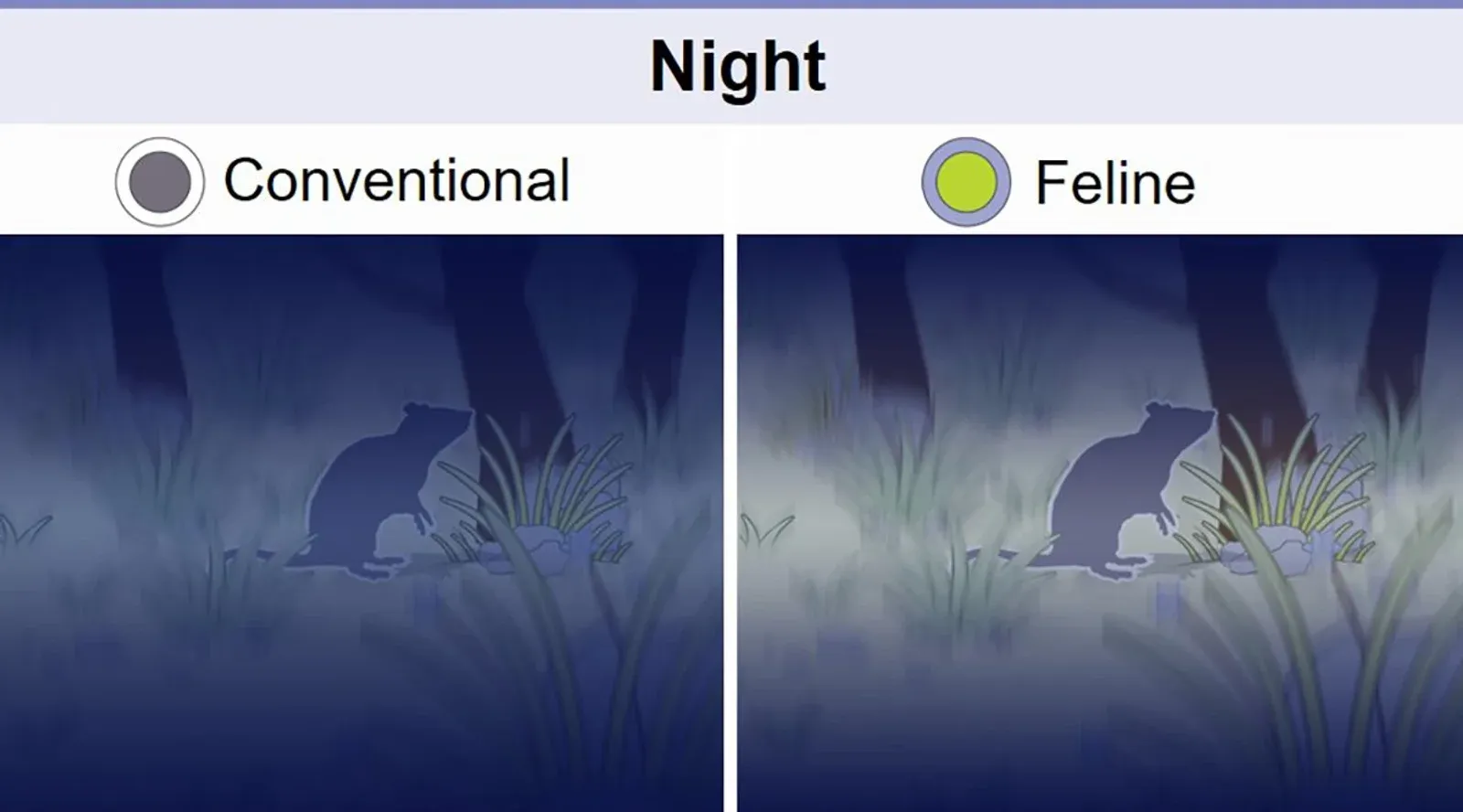
Cat eyes are equipped with a reflective structure called the tapetum lucidum, which bounces light back through the retina, enabling superior night vision. The researchers mimicked this feature by placing silver reflectors beneath each photodiode in the camera. This adaptation allowed the camera to generate images with just 0.007 watts per square meter of light, compared to 1.39 watts required for standard photodiodes.
To minimize visual distortions, the team created a curved image sensor reminiscent of the human eye's shape. Unlike flat image sensors, this design uses ultrathin silicon photodiodes arranged on a curved substrate. While these photodiodes typically absorb less light, the added reflectors compensate for this shortcoming, ensuring effective light capture.
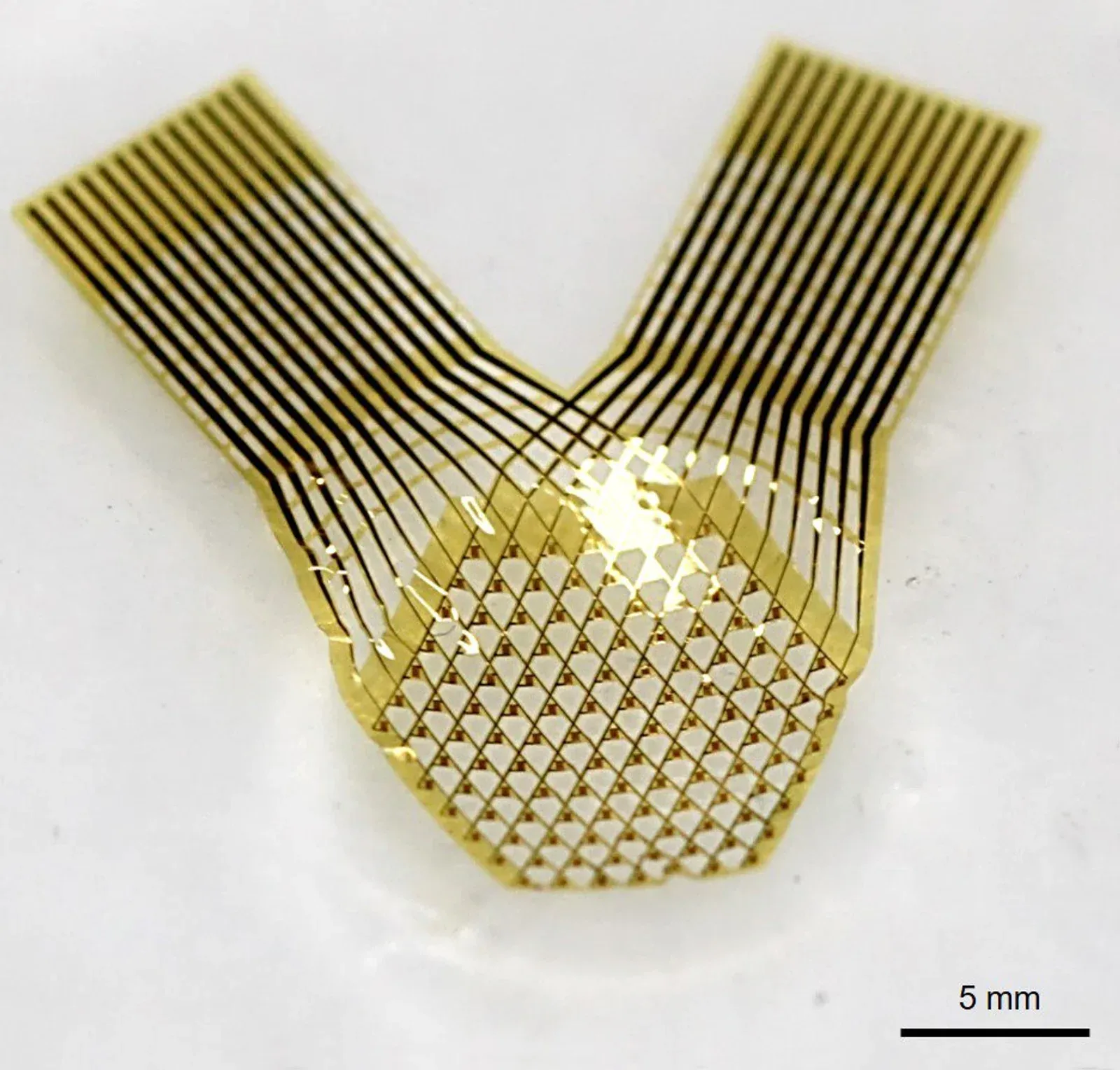
The combination of vertical slits and reflectors results in a camera capable of superior low-light performance and enhanced camouflage detection. “Implementing these features in autonomous vehicles and intelligent robots could significantly improve their nighttime visibility and target identification,” says Song. He envisions applications in self-driving cars and drones navigating complex urban settings.
Song's lab continues to explore biological solutions to enhance artificial vision, with ongoing projects focused on mimicking the brain's image processing. The ultimate goal is to replicate the neural mechanisms found in nature.
This research was recently published in the journal Science Advances, marking a significant advancement in the field of vision technology.