Bringing the Past to Life Through Play
The Media Archaeology Lab (MAL), located on the University of Colorado Boulder campus, is one of the world’s largest public collections of obsolete yet functional technology.
At the MAL, visitors can experience everything from magic lantern shows to playing retro video games like Star Castle on a Vectrex console or checking the weather on an Atari 800 using Fujinet. The lab’s mission is to provide a hands-on experience with outdated media technologies, making the past accessible in ways that allow people to interact with it.
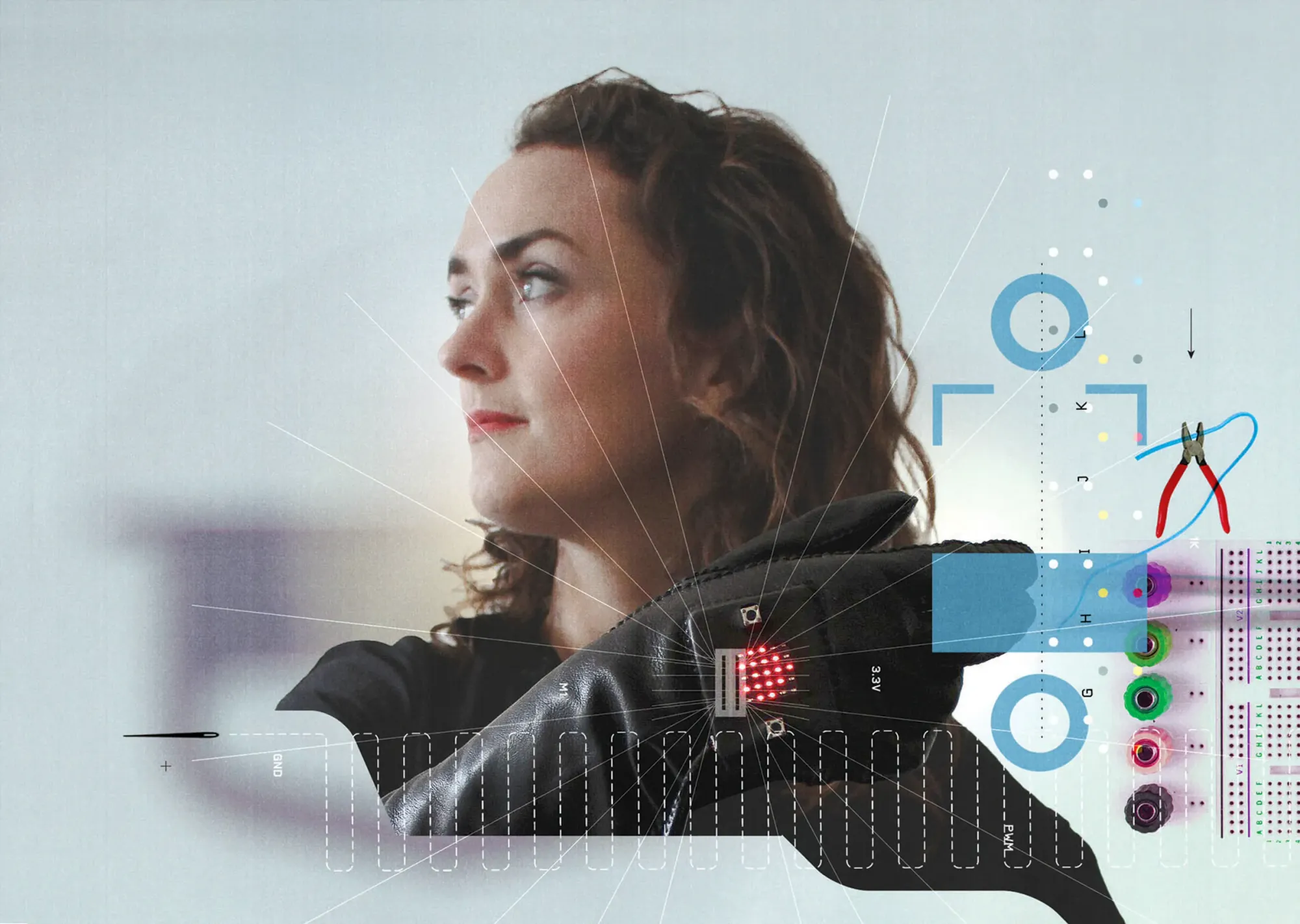
Libi Rose, the managing director of the MAL, shares insights into her role, the challenges of keeping old technology operational, and how the lab stands apart from traditional collections of vintage tech.
A Unique Approach to Preserving Technology
How is the MAL different from other collections of historical and vintage technology?
Libi Rose: Unlike museums, where technology is often kept behind glass, the MAL operates as a hands-on experimental space. We focus on the humanistic side of computer use, allowing visitors to engage directly with the equipment. We love to explore unexpected juxtapositions of technologies, encouraging people of all ages and backgrounds to interact with the devices. Whether they use them as intended or in completely new ways, it’s all part of the experience.
At the MAL, we aim to bridge the gap between the past and present by giving people the chance to use older technologies firsthand. This helps connect generations, from young children seeing these devices for the first time to older visitors reconnecting with technologies from their youth.
The Role of a Managing Director
What’s your role at the lab?
Rose: My job is a mix of administrative duties and hands-on work. I manage day-to-day operations, coordinate volunteer groups, and work with university professors on integrating our collection into their courses. I also handle off-site events, manage social media, and oversee donations. Additionally, I do repair work—either fixing things myself or coordinating with others. It’s a lot, but I enjoy it. My office doubles as the repair shop, so it’s all part of the day-to-day activity here.
A key part of my role is ensuring that the lab remains functional, so people can continue to engage with these technologies. It’s a lot of work, but it's incredibly rewarding to see how people respond to interacting with older media.
The Challenges of Keeping Old Systems Running
What’s the hardest part about keeping old systems running?
Rose: Interestingly, we don’t encounter too many issues with old computers—our main challenge is often time constraints. However, older mechanical systems present more difficulties. For instance, many mechanical devices, such as phonographs or calculators, have lost their original manuals, and the people who once worked with them have passed away. Repairing these devices often involves recreating processes from scratch.
For newer devices, the challenge often lies in the missing infrastructure. For example, older cell phones might work physically, but without the server-side systems they once relied on, there’s not much we can do with them. We’ve even talked about creating our own analog cell network to make them usable again. We’ve had to get creative—running our own analog TV station is one example of this. Without it, we wouldn’t be able to show visitors what broadcast TV used to look like on old analog televisions.
Reviving Broadcast TV: The Lab’s Analog Station
Can you tell us more about your analog TV station?
Rose: Yes! We set up an analog TV station so visitors can experience what television looked like before digital broadcasts took over. This allows us to show content as it would have appeared on older TVs. It’s a fantastic way to bring history to life and give people an authentic experience of media from the past.
This kind of preservation isn't just about keeping the hardware running—it's about recreating the entire ecosystem around these devices so that they function as they did in their original context. By doing this, we offer visitors an immersive experience that goes beyond just looking at an old TV set; they can see how the whole system worked.
Visitor Reactions: Nostalgia Meets Curiosity
How do visitors respond to these technologies?
Rose: The reactions vary depending on the visitor’s age and familiarity with the devices. Younger kids, often brought by their parents, are usually amazed and a bit confused. One of my favorite reactions comes from 7- and 8-year-olds who, after trying out something like a rotary phone, say, "Oh my God, I’m so sorry for you old people who had to use this!"
College students often come in with their own form of nostalgia, either from their childhoods or inherited from their parents. They’re usually fascinated to interact with technology they’ve only heard about or seen in movies. Older visitors tend to have a strong sense of nostalgia, and they quickly reconnect with these devices. We often have deep conversations about where technology goes when it dies, and what these shifts in media mean for our culture.
Keeping the Past Alive
Final Thoughts on MAL's Mission
The Media Archaeology Lab offers a unique experience that goes beyond preservation—it's about interaction and education. By allowing visitors to engage with old media technologies, the MAL provides a window into the past, helping people of all ages understand how far technology has come and where it might go next.
As managing director, Libi Rose is at the heart of this mission, ensuring that the collection stays functional and accessible to everyone. The lab’s hands-on approach allows people to not only see vintage tech but also experience it as it was meant to be used.
By reviving and maintaining these technologies, the MAL offers a rare opportunity for visitors to play with the past—an experience that combines nostalgia, curiosity, and education.
This article appears in the October 2024 print issue as “5 Questions for Libi Rose.”