
5G: Transparent Glass Antennas Turn Windows Into Base Stations: Revolutionizing
The development of glass antennas is a breakthrough in 5G technology, aiming to increase cell coverage without compromising the visual appeal of urban spaces.
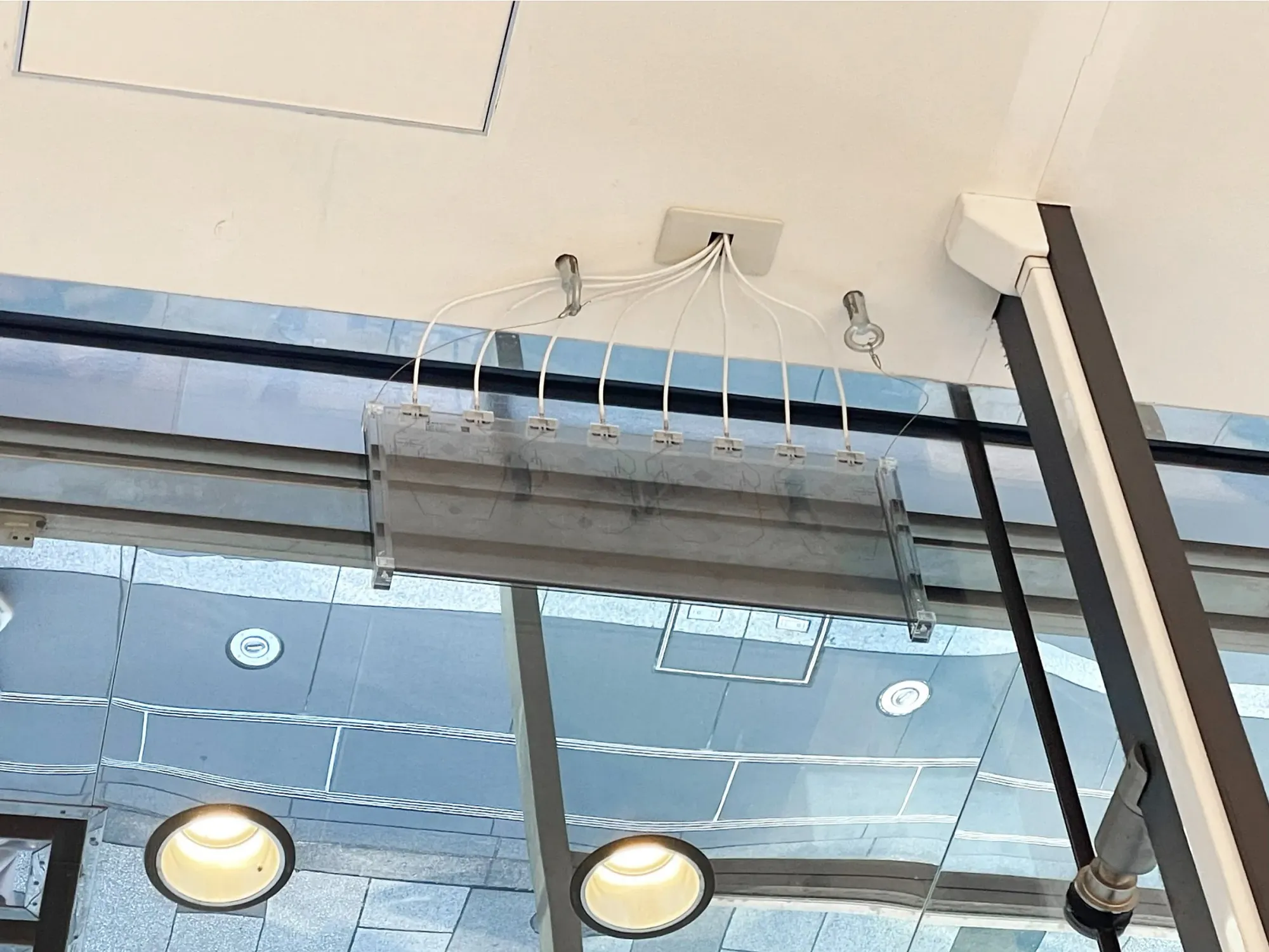
Since 5G requires more base stations due to its higher frequency bands and smaller coverage footprint compared to 4G, these compact, inconspicuous antennas are a solution to avoid cluttering public areas with large, unsightly equipment.
Key Highlights of the Glass Antenna:
- Transparent and Space-Efficient: Created by Japanese companies such as AGC and NTT Docomo, these antennas turn windows into 5G base stations, allowing buildings to boost network coverage without affecting the exterior appearance.
- Technology and Design: Using transparent conductive materials sandwiched between glass and resin (similar to laminated windshields), the antennas minimize disruption of radio waves and ensure durability. The product, branded WAVEANTENNA, is installed on the interior of windows, remaining almost invisible except for its cabling.
- Infrastructure Sharing: These antennas support the 5G Sub6 band (frequencies below 6 GHz), crucial for providing coverage that penetrates walls and buildings. They also allow infrastructure sharing between multiple carriers, which has become essential in countries like Japan due to high deployment costs and limited installation spots.
- Application in Vehicles: Glass antennas are also used in automobiles to maintain connectivity. For example, Halo.Car, a Las Vegas-based EV rental service, employs these antennas to maintain stable high-speed network connections for remotely driven cars.
This innovation is expected to significantly enhance 5G coverage, allowing for more flexible, shared infrastructure deployment without marring urban aesthetics.
Last month the Tokyo-based communications company JTower announced the deployment of the new glass antenna, created in part by glassmaker AGC (one of the world’s largest) and the mobile carrier NTT Docomo. The first was installed on a window in Tokyo’s Shinjuku district.